
ABTER – Top Quality Steels !
our services
Pipe & Fittings Cutting :
Machining services:
Welding:
Custom Bending Pipe :
Inspection and Documentation
C. Welds including welder and filler material certifications D. Electropolishing or Passivation Certification E. Material Certificates
Threading & Custom Fabrications
Abter Products
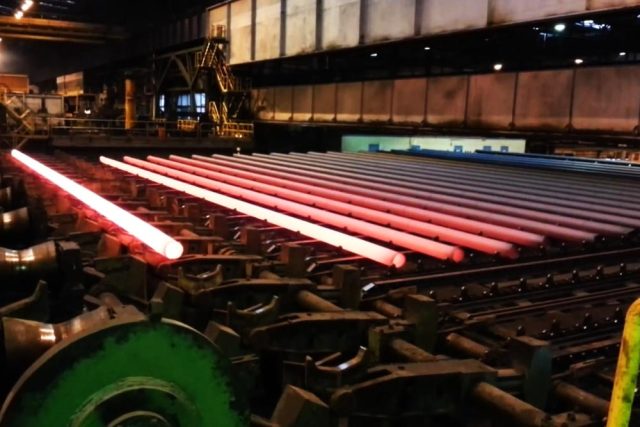
Stainless Steel Pipes
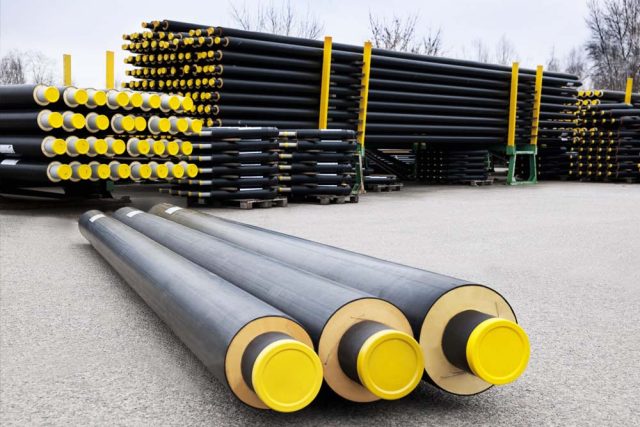
Pre-insulated pipes
COMPANY
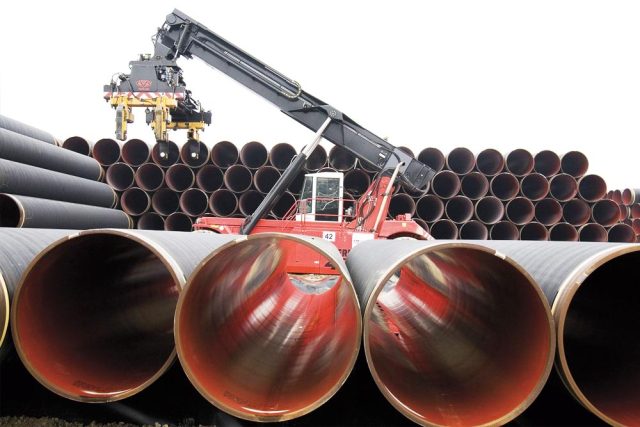
2PE/3PE Anti-corrosion Coated Pipe
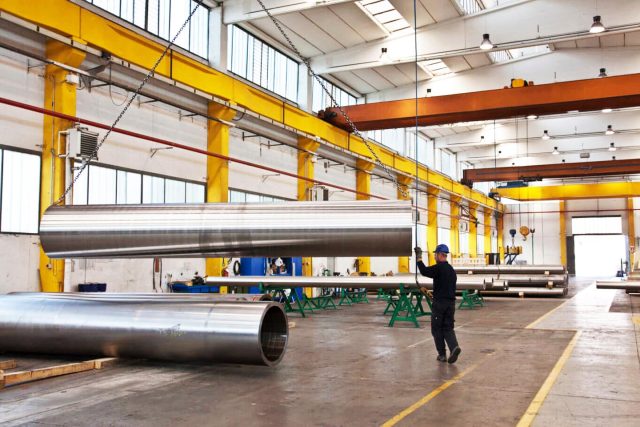
Alloy steel pipes
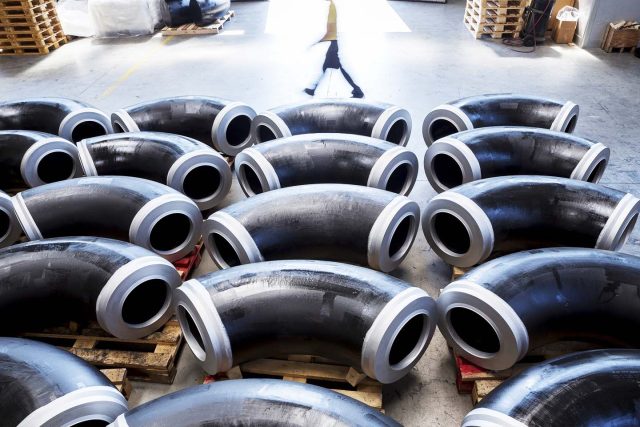
Carbon & Alloy steel pipe fittings
ABTER STEEL
“Over the past 30 years, Abter steel company has been committed to the piping system industry.“
latest news & events
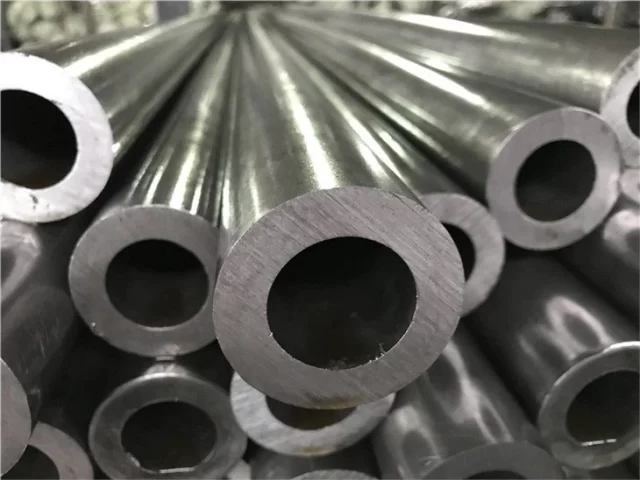
Joining the Unlikely Pair: My Bitter Lessons Welding P91 to 304H Stainless
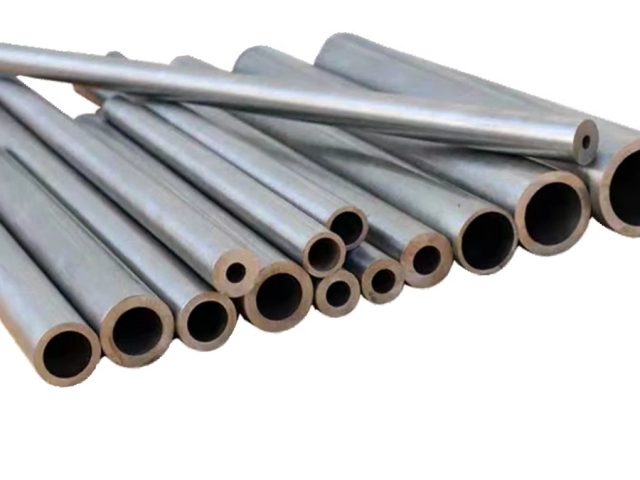
The ultimate value of A311 is its long-term stability. By effectively eliminating the bulk of internal residual stress through normalizing and tempering, the pipe maintains its geometry and mechanical properties throughout its service life, even after being subjected to further thermal cycling or heavy machining. This predictability is the final, non-quantifiable technical asset that Abtersteel delivers to its clientele in the precision engineering sector.
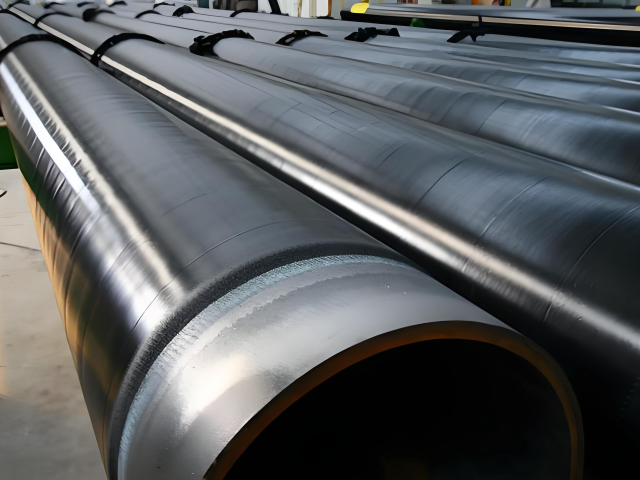
This product guarantees that systems designed for routine, high-volume flow will continue to operate reliably for generations, proving that the most advanced engineering solution is often the one that perfectly balances economy, structural integrity, and uncompromising environmental protection.
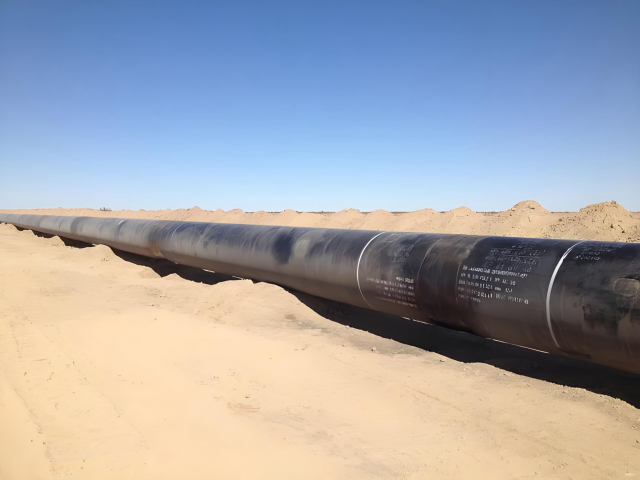
Simultaneously, the three-layered polymer sheath—where the FBE provides the critical electrochemical adhesion and the PE provides unparalleled physical defense—guarantees the pipe’s longevity underground. This integrated product, engineered for decades of predictable service, underpins the safe, efficient, and sustained operation of the world’s vital energy infrastructure.
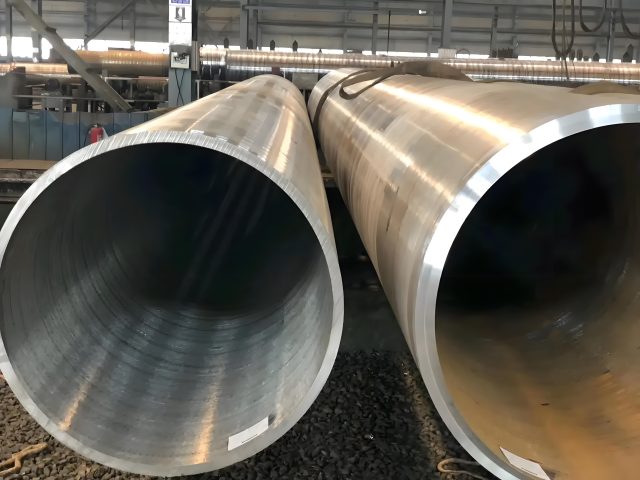
The burst failure of an X65 High-Frequency Welded pipeline is rarely due to a single, isolated event; it is the culmination of a sequence of compounding errors where a latent manufacturing defect, often a microscopic **Lack of Fusion**, survives increasingly complex quality assurance barriers, only to be driven to critical size by the cyclic operational stresses of a high-pressure line
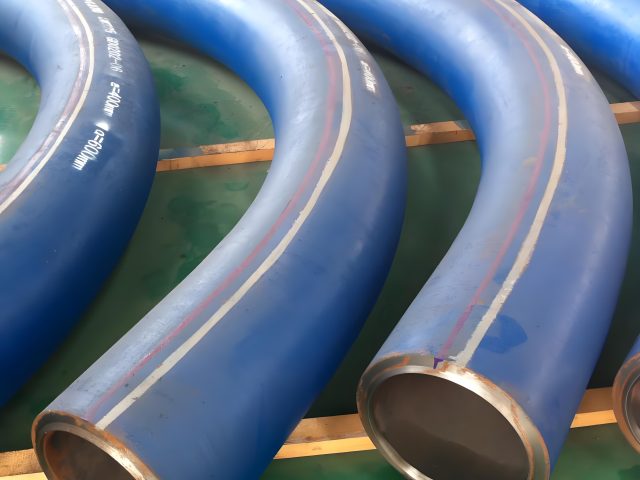
The API 5L Gr.B X42-X70 Seamless Induction Pipe Bend is the definitive engineered solution for high-pressure fluid conveyance. It represents the highest standard in pipeline component fabrication, blending the purity of seamless API 5L steel with the technical precision of hot induction forming.
Headquarters
We are everywhere